
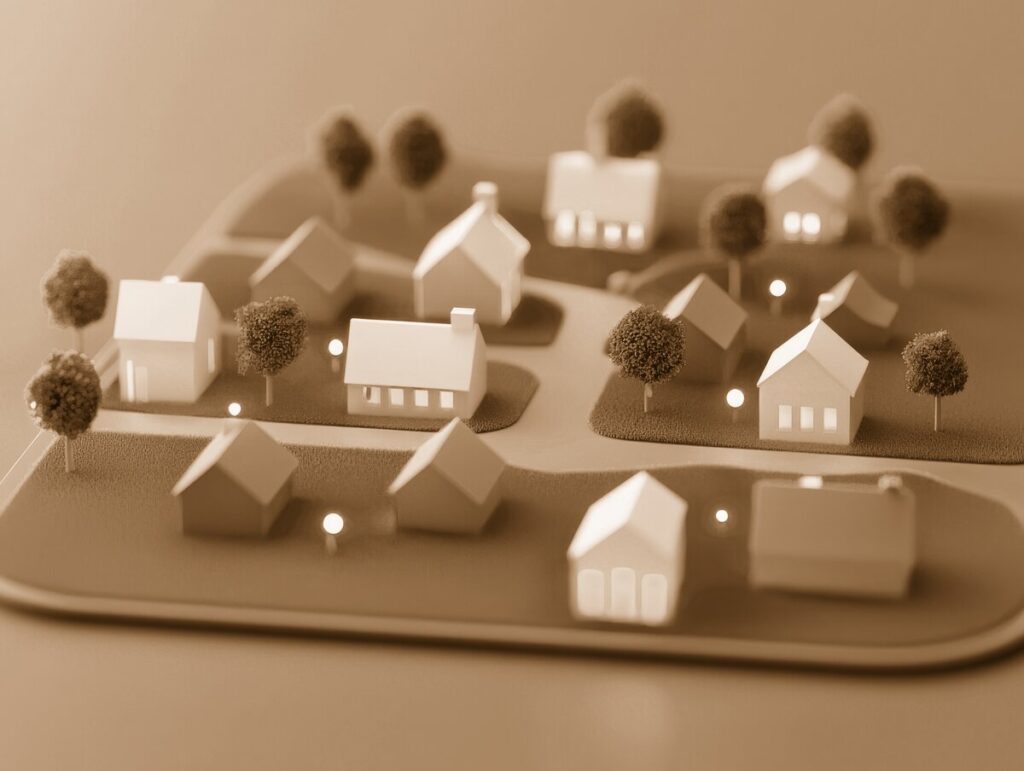
Nestled just north of downtown and stretching from Cedar Avenue to Route 66, Sunnyside is a neighborhood with a rich tapestry of stories, cultural intersections, and enduring community spirit. For generations, it has been home to working families, local businesses, and landmark institutions—an enclave that carries the living memory of Flagstaff’s evolution from a frontier town to a vibrant mountain city. This is the story of Sunnyside: how it began, grew, and forever shaped the soul of Flagstaff.
Origins: From Open Meadows to Building Community
The roots of Sunnyside stretch back to the early 20th century, when Flagstaff was still a compact Northern Arizona railroad town. Much of what is now Sunnyside was originally open land, dotted with ponderosa pine and meandering buffalo. As the railroad and lumber industries swelled, so too did the need for affordable family housing near the Santa Fe Railroad line and the Southwest Lumber Mills—the biggest local employers of the age.
Sunnyside’s name is a tribute to the optimism of its early settlers, who cherished the broad, sunlight-drenched meadows of north Flagstaff. It is said that in the 1920s, the area was informally referred to as “the sunny side” of town, quoted by families moving “out of the shadows of downtown and into the sun.” The phrase stuck, and by the 1930s, “Sunnyside” was printed on early neighborhood plat maps.
Historical Milestones: Growth and Resilience
The decades following World War II saw Sunnyside emerge as a strong, diverse working-class neighborhood. The influx of young families looking for postwar opportunity led to rapid development of small homes and duplexes along streets like East 7th Avenue, Arrowhead Avenue, and Lonetree Road. Flagstaff developer John W. Weatherford, famous for the Weatherford Hotel, was involved in selling some of the neighborhood's first lots, helping launch Sunnyside’s community-building era.
Amid Flagstaff’s mid-century expansion, Sunnyside played a key role in housing workers for the timber and railway industries. The neighborhood’s proximity to the Arizona Lumber and Timber Company (later known as Southwest Forest Industries), and the Santa Fe yards made it a hub for new arrivals, particularly Hispanic and Native American families drawn by stable jobs.
Through the 1960s and 70s, Sunnyside was marked by community activism. Local residents organized to address flooding from the Rio de Flag, culminating in city-led improvements to stormwater infrastructure. Neighborhood associations formed, nurturing the roots of Sunnyside’s enduring sense of unity and advocacy.
Landmarks and Local Institutions
Sunnyside’s tapestry is woven with both historic and contemporary landmarks. Some of the most notable include:
- Sunnyside Park: At the heart of the neighborhood on North Second Street, Sunnyside Park is beloved for its mature trees, basketball courts, and spaces for family gatherings and community events like the annual Cinco de Mayo celebration.
- Killip Elementary School: Standing since 1951, Killip Elementary is more than just a school—it’s a historic anchor, known for its bilingual programs and legacy of serving diverse families. Recent years have brought expanded STEM programs and facility upgrades, showing the neighborhood’s investment in its future generations.
- Our Lady of Guadalupe Catholic Church: Just off Butler Avenue, this church became a key faith and cultural hub, especially for the Hispanic community, starting in the 1950s. Its colorful murals and bilingual Masses preserve decades of community stories.
- Brannen Homes and Original Worker Cottages: Scattered between Arrowhead and East 7th Avenue, you can spot early 1940s bungalows and railroad-era cottages, reminders of Sunnyside’s roots as a working-class haven.
- Flagstaff Family Food Center: Since the 1990s, this nonprofit on North Second Street has embodied the neighborhood’s longstanding tradition of looking after those in need.
Streets That Tell Stories
A stroll through Sunnyside reveals the neighborhood’s evolving heritage. Along West and East Cedar Avenue, you’ll find historic houses rubbing shoulders with lively taquerias, family-owned salons, and new cafes that reflect Sunnyside’s present-day diversity. The pocket parks and community gardens around Fourth Street serve as gathering places for longtime residents and newcomers alike.
Second Street, running north-south, is the neighborhood’s central spine. Here, seasonal festivals light up the block and generations meet to celebrate births, weddings, and holidays. The hum of traffic along old Route 66, at the southern edge, is a reminder of Flagstaff’s wider place in the tapestry of American mobility and dreams.
Evolving with the Times
Change comes to every neighborhood, and Sunnyside is no exception. In recent decades, waves of new development and city investment have brought improvements—expanded bike lanes, revamped parks, and public art projects. But Sunnyside has navigated transformation while preserving its historical soul.
The 21st century saw community leaders champion revitalization while advocating for affordable housing to ensure that families, many of whom have lived there for generations, aren’t priced out. Sunnyside remains one of Flagstaff’s most culturally and economically diverse neighborhoods — a place where shop owners know their customers by name, and neighbors trade stories on front porches as the sun sets over the San Francisco Peaks.
What Makes Sunnyside Special Today
Ask anyone who has called Sunnyside home, and you’ll hear about:
- The sense of belonging that welcomes newcomers and old-timers alike.
- The rich patchwork of cultures, cuisines, and celebrations — from tamale festivals to Indigenous art walks.
- Pride in a history tied to Flagstaff’s working families, who built not just homes but a community that endures.
- The walkability to neighborhood schools and parks, the proximity to downtown, and the breathtaking mountain views that remind everyone why we choose to live here.
Sunnyside is not just a neighborhood—it’s a living archive of Flagstaff’s hopes, hard work, and heritage. Next time you wander down Cedar Avenue or catch a sunset at Sunnyside Park, know that every block tells a story. And every story, here on the sunny side of town, is worth sharing.